
Navigating the Shift: The 4 Major Challenges Young Entrepreneurs Face
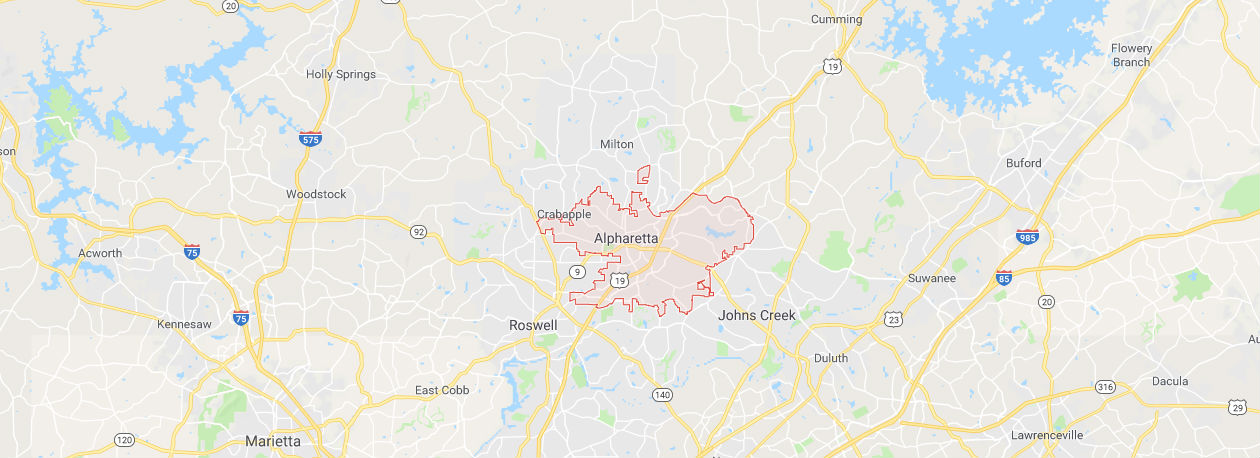
How emerging founders in Alpharetta and Duluth build instant credibility, protect focus, and scale without rigid overhead.

Navigating Metro Atlanta's Business Expansion: Investing in Advice, Credibility, and Strategic Workspace
Why local leaders across North Fulton and Gwinnett County rely on strategic counsel and premier executive environments to scale sustainably.

The NorthPoint Perspective Episode 2: "Investing In Advice"
Why Advice is an Entrepreneur's Greatest Asset Starting a business requires wearing every hat imaginable, from accounting and marketing to operational strategy. However, trying to figure out everything through trial and error often leads to wasted capital and valuable time lost. Investing in the right advice early on allows new founders to tap into seasoned wisdom and scale exponentially faster.
The Equity of Presence: Why Capitalizing on Perception Drives Business Expansion
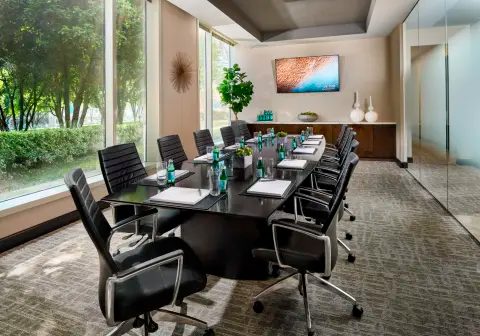
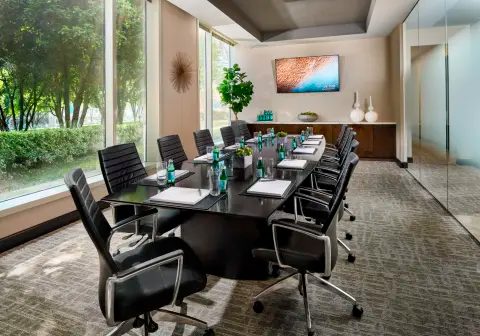
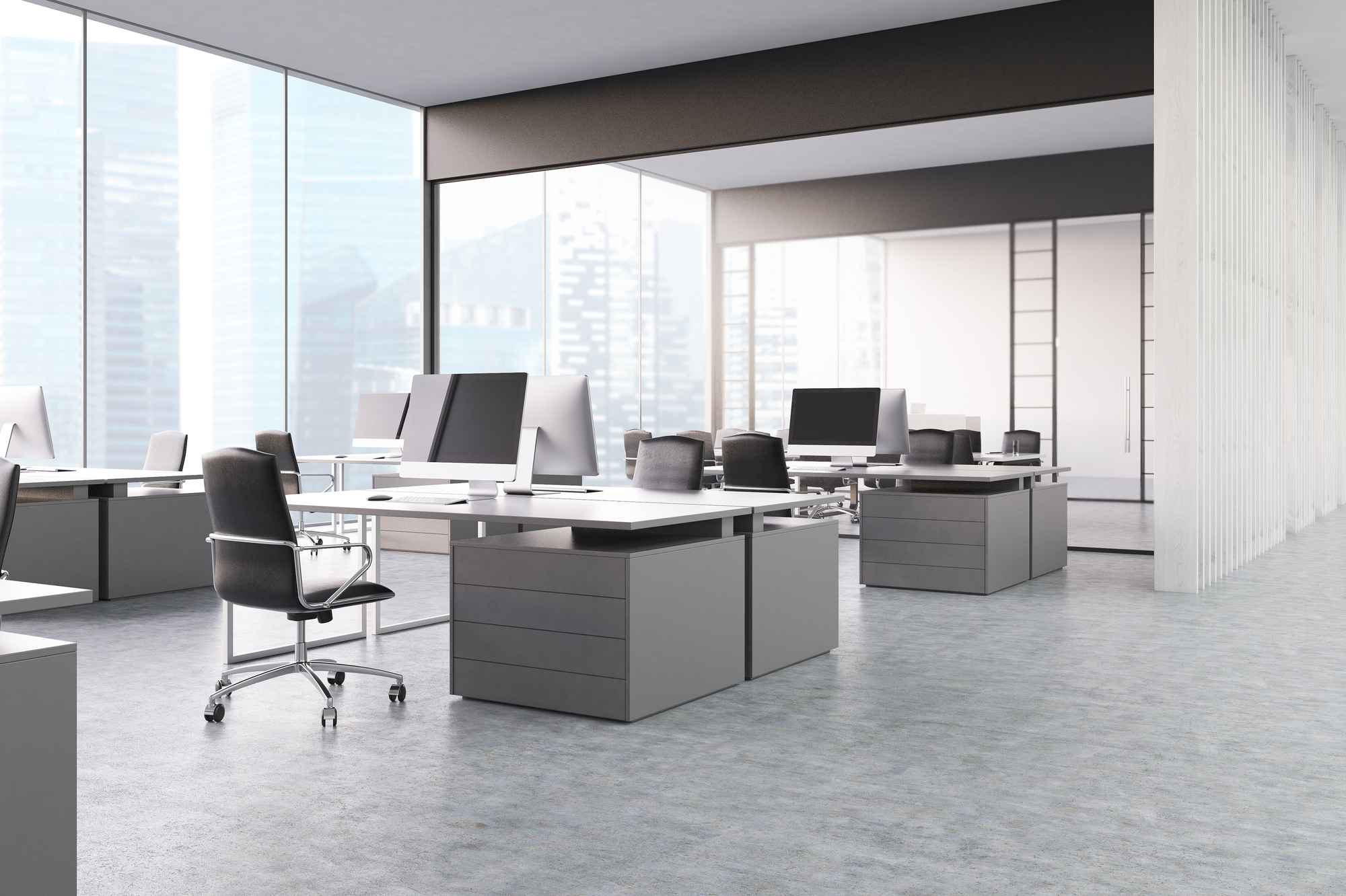
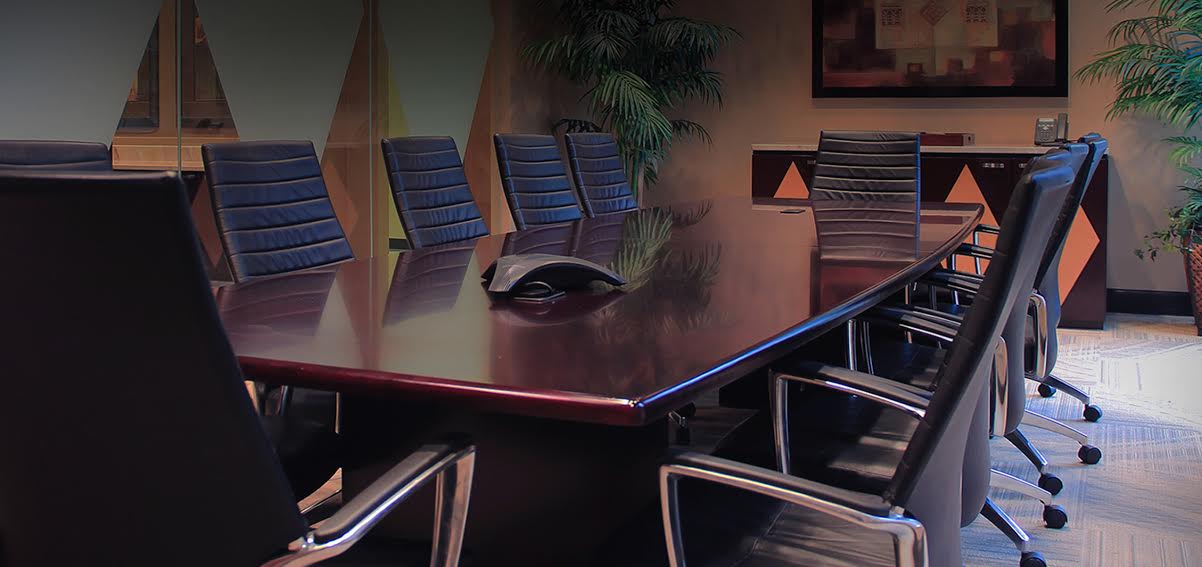
We often think of an office as merely a collection of desks, chairs, and internet connections. But to view a workspace through such a narrow lens is a strategic mistake. Your environment is a silent ambassador for your brand. It speaks volumes to your clients, your partners, and your team long before a single word is exchanged.

The NorthPoint Perspective: Episode 1 "The Ideal Office"
Welcome to our brand-new video series,The NorthPoint Perspective , brought to you by NorthPoint Executive Suites!

Let’s Be Honest: Is Your Office Space Helping You Grow, or Just Holding You Back?
As a business leader, you spend an immense amount of time auditing your operations. You look at your software stack, your marketing spend, and your talent acquisition. But when was the last time you took a hard, honest look at the four walls around you?

5 Signs It’s Time to Upgrade from Coworking to a Private Office
Coworking spaces are a great starting point for entrepreneurs, freelancers, and growing teams. They offer flexibility, networking opportunities, and a professional environment without long term commitments. But as your business evolves, your workspace needs often change as well.

How to Build a Professional Brand Presence Without a Traditional Office
For freelancers, consultants, and small business owners, one of the most persistent challenges is projecting a polished, credible image - without the overhead of a traditional office lease. The good news is that in today’s flexible work environment, a professional…

Why Franchising with NorthPoint Executive Suites Is a Smart Move for Aspiring Entrepreneurs
If you’ve been dreaming of owning your own business but aren’t sure where to start, franchising with NorthPoint Executive Suites offers a compelling pathway into a thriving and recession-resilient industry. With flexible office space demand on the rise and professionals…

Designing for Productivity in 2026: What Modern Professionals Expect From Their Office Space
As we settle into 2026, the expectations professionals have for their work environments continue to evolve. It’s no longer enough for an office to simply “exist” - today’s teams demand spaces that enhance focus, support wellbeing, and integrate technology seamlessly. For businesses…
Earlier posts
202513 posts









202410 posts








202311 posts











202212 posts












202113 posts











202013 posts











201911 posts










201821 posts
















20177 posts






201613 posts












Couldn't load posts right now. Please try again shortly.